By Neelanjana Singh- a Registered Dietician & Wellness Consultant
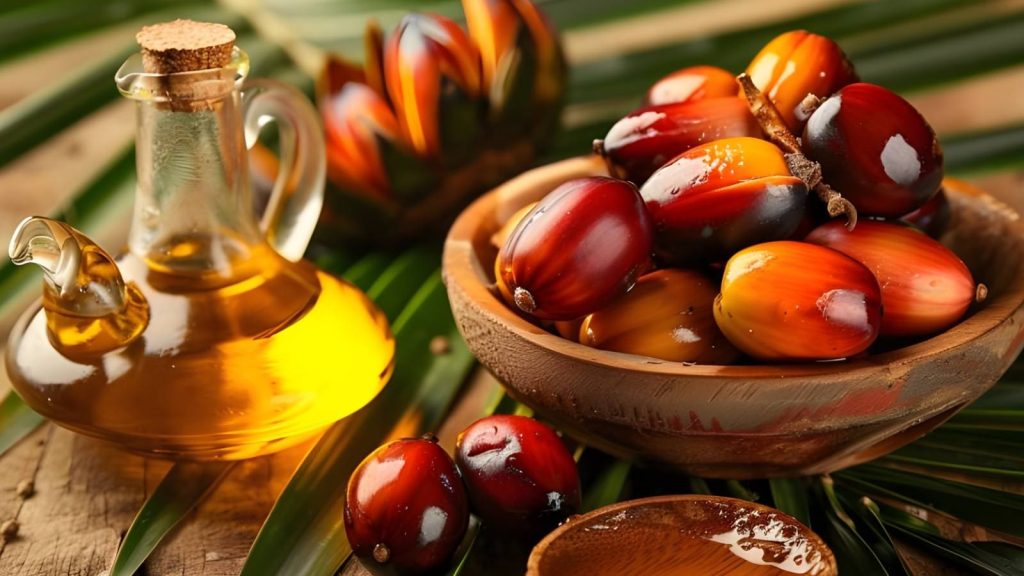
What do pizza dough, instant noodles, ice cream, chocolates, cookies, soap, shampoo and lipsticks have in common? The answer is palm oil. In fact, according to WWF, palm oil is in nearly everything and close to 50% of the packaged products we find in supermarkets. Palm oil is also a versatile ingredient in skincare as it offers rich hydration.
When recent headlines announced that PepsiCo plans to replace palm oil in its Lay’s chips brand in India with sunflower oil due to concerns around heart health, was that really a positive move? The question really is, whether going ‘Palm Oil Free’ is for the better. The short answer is no, as the only alternative to palm oil is sustainable palm oil.
Let’s consider the reasons that make palm oil irreplaceable. Considered a modern-day miracle oil, it has no odour, zero trans fats and, like all plant-based plant oils, contains no cholesterol. It has a high smoke point and remains stable under high heat. When a product is labelled “Palm Oil Free”, it simply means that it now uses a blend of other vegetable oils such as sunflower, soy, or coconut oil instead.
A cooking oil’s smoke point is the temperature at which it begins to smoke, occurring before its boiling point. Exceeding this point can lead to the formation of carcinogens and unpleasant flavours. However, oils with high smoke points can withstand high heat, making them ideal for frying, sautéing, and searing, and allowing for worry-free high-heat cooking without smoking or flavour degradation.
And, why is that a bad thing? Firstly, swapping palm oil for other oils may not necessarily lead to improved health outcomes. For instance, oils high in polyunsaturated fats, like sunflower oil, can become oxidised when exposed to heat or light, potentially causing inflammation and oxidative stress in the body. Sunflower oil also has a shorter shelf life compared to palm oil, which means it needs to be used up quickly or stored in the refrigerator to prevent it from going rancid.

While palm oil has received flak for its high saturated fat content (50% as against 90% for coconut oil), this ignores its well-rounded fatty acid profile and the presence of essential nutrients such as vitamin E, vitamin A, and vitamin K. The Dietary Guidelines for Indians, by the Indian Council of Medical Research (ICMR) and National Institute of Nutrition (NIN), has earlier recognised that palm oil is “rich in monounsaturated fatty acids”, offering a spectrum of health benefits, alongside edible oils such as groundnut, cottonseed, sesame and olive. Notably, dietary fat is not something to be afraid of, when consumed in moderation as part of a balanced diet. “Dietary fats also contain minor components such as tocopherols, tocotrienols, sterols, etc. Tocotrienols in palm oil, for instance, reduce blood cholesterol,” the 2024 NIN guidelines noted.
When it comes to alternatives, let’s also consider the statistics regarding agricultural land use. Globally, palm oil supplies between 35% and 40% of the world’s vegetable oil demand on just under 6% of the land used to produce all vegetable oils. To get the same amount from alternative oils like soybean, coconut, or sunflower oil you would need anything between 4-and-10 times more land, which would just shift the problem to other parts of the world and threaten other habitats, species and communities. On top of this, producing palm oil takes significantly less amount of fertiliser, pesticides and energy inputs.
Hannah Ritchie, lead researcher at the University of Oxford’s Our World in Data research unit, in her book ‘Not The End of the World’ takes on the problem of deforestation as she tries to look beyond the gloom and doom of the daily news cycle and use long-term data to get a clearer look at ground realities. She explains that palm oil, an extremely productive crop, yields 2.8 tonnes of oil per hectare compared to, for example, 0.34 tonnes for olives, 0.26 tonnes for coconuts and 0.7 tonnes for sunflowers.
To drive the point home, Our World in Data illustrates that we currently use 322 million hectares (an area the size of India) to grow oil crops. If we were to get all of it from palm oil we would need four times less (77 million hectares), but if we got it all from olive oil then we’d need the equivalent of two Indias by landmass (660 million hectares). Therefore, ironically, if we buy the outdated narrative of palm oil’s bad reputation when it comes to sustainability, it could actually lead to more deforestation.
Encouragingly, the rate of deforestation in Malaysia has been trending lower for some time, with Global Forest Watch reporting in June 2023 a sharp reduction in forest loss and showing how deforestation can be reversed. With the launch of the 2021 National Edible Oil Mission-Oil Palm (NMEO-OP), India, which happens to be the largest importer of palm oil globally, can take the lead in championing sustainable palm oil. The market size in India for palm oil was valued at USD 7.3 billion in 2022 and is expected to grow at a compound annual growth rate (CAGR) of 5.0% from 2023 to 2030. The NMEO-OP is also set to reduce import dependence and substantially benefit farmers with increased income and employment opportunities.
As India, along with the rest of the world, enforces and subscribes to global sustainability certification, such as the Malaysian Sustainable Palm Oil (MSPO) certification scheme, we can enjoy the unique benefits that palm oil offers while conserving biodiversity.