Bharat Newz 24*7
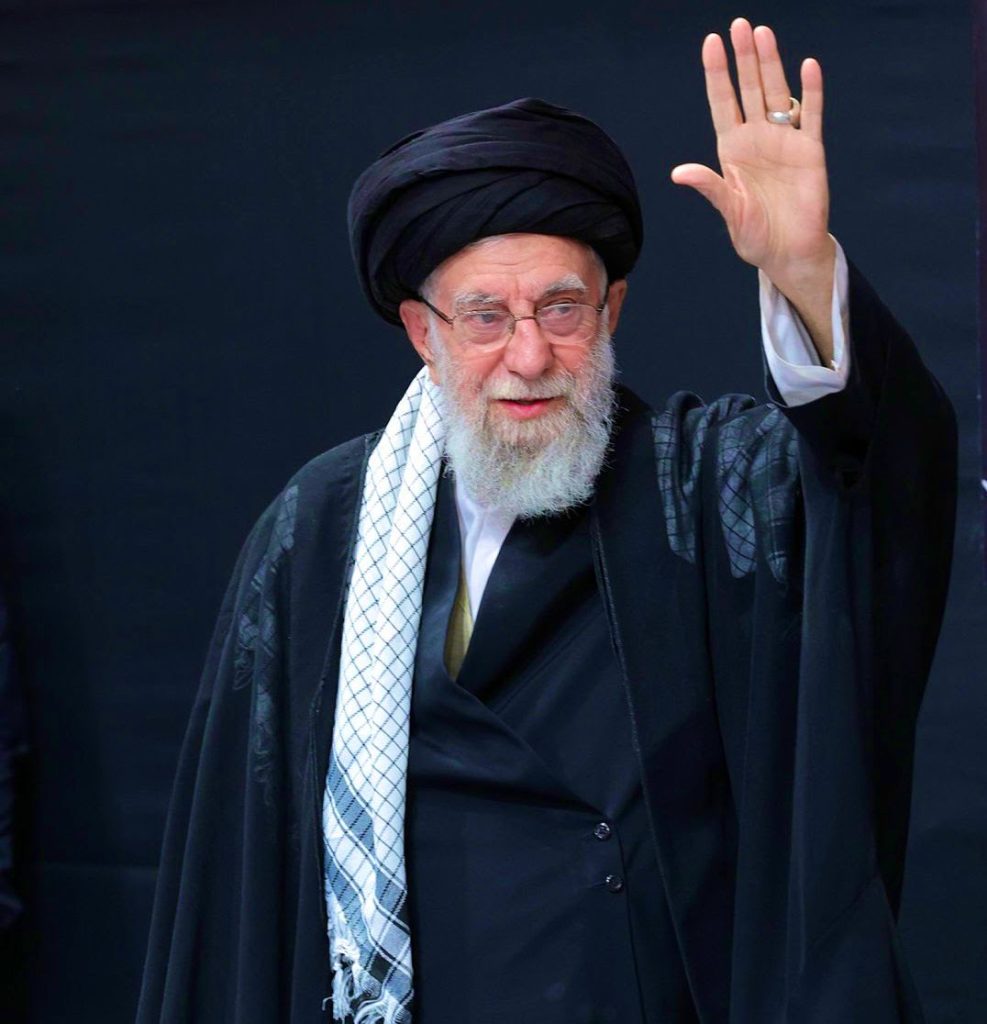
The reported death of Iran’s Supreme Leader Ali Khamenei has plunged the country into a moment of profound uncertainty — and visible division. While thousands of mourners poured onto the streets in grief, there were also scattered scenes of celebration from critics who had long opposed his rule. In the midst of this emotionally charged atmosphere, one image captured global attention: a red flag hoisted atop the dome of the Jamkaran Mosque in the holy city of Qom.
For Shia Muslims, the Jamkaran Mosque holds immense religious significance. But the raising of a red flag on its dome carries meaning far beyond ritual symbolism. Within Shia tradition, a red banner is associated with martyrdom and the call for justice — often interpreted as a declaration that vengeance remains unfinished.
International media outlets were quick to interpret the move as a powerful message. In the context of Khamenei’s death, the red flag is widely seen as reflecting the anger and resolve of his supporters. Though Iranian authorities have not issued an official explanation, the symbolism is unmistakable to those familiar with Shia political theology: blood has been spilled, and accountability is demanded.
This is not merely a religious gesture. In Iran, faith and statecraft are deeply intertwined. The Jamkaran Mosque is not only a spiritual landmark but also a stage for political messaging. Events there resonate far beyond Iran’s borders, particularly among Shia communities across the Middle East. When a red flag rises above its dome, the signal is heard internationally.
The timing adds further weight. The flag was raised amid escalating regional tensions. According to reports, following strikes by the United States and Israel earlier in the day, Iran responded with retaliatory attacks in parts of the Gulf region, reportedly targeting locations associated with American military presence.
Though details remain fluid, the developments have heightened fears of a broader conflict across West Asia.
One particularly alarming incident involved an attack on an oil tanker off the coast of Oman. The vessel reportedly carried 15 Indian nationals and five Iranians. There were also reports of a drone strike at a port facility in Oman. These actions have triggered diplomatic alarm bells in Gulf capitals and beyond.
In response to the spiralling tension, the United Arab Emirates has urged Iran to return to the negotiating table. Gulf nations have publicly stated they do not seek confrontation with Tehran, reflecting deep anxiety about the economic and security consequences of open warfare in the region. The Strait of Hormuz remains one of the world’s most sensitive energy corridors, and any escalation threatens global oil markets.
Back home, Iran’s streets tell a story of a nation at a crossroads. Khamenei was a towering figure in Iranian politics for decades — revered by loyalists as a guardian of the Islamic Republic, criticised by opponents as an uncompromising hardliner. His passing exposes the ideological fissures within Iranian society. The mourning crowds demonstrate enduring loyalty among core supporters. Yet the images of celebration reveal how polarising his leadership had become.
The red flag at Jamkaran thus serves multiple purposes. It is a ritual gesture within Shia tradition. It is a political statement to adversaries. And it is a rallying symbol for supporters navigating an uncertain transition.
What comes next will depend on how Iran’s leadership structure manages succession and external pressure. The Islamic Republic has weathered crises before, but the convergence of leadership change and geopolitical confrontation presents a uniquely volatile moment.

For now, the world watches Qom — and that red flag — for clues. In a region where symbolism often precedes action, the message from Jamkaran is clear: Iran believes a line has been crossed. Whether that belief translates into sustained confrontation or eventual diplomacy remains the defining question of this unfolding chapter in West Asian politics.