Bharat Newz 24*7
West Bengal’s political battlefield is heating up months before the formal bugle for the 2026 Assembly election is sounded. While no official notification has yet been issued, preparations inside party headquarters tell their own story. According to multiple organisational sources, the All India Trinamool Congress is far ahead of its rivals in one crucial area — candidate selection.
In contrast, the Bharatiya Janata Party, Communist Party of India (Marxist), Indian National Congress and Indian Secular Front are still grappling with seat-sharing arithmetic, alliance clarity and credible face selection. The optics are clear: one side appears election-ready; the other is still negotiating with itself.
294 Seats, Nearly Locked: High Command to Take Final Call
Sources within the ruling camp suggest that a near-complete draft candidate list for all 294 Assembly constituencies is ready. This list, insiders claim, is the outcome of months of booth-level feedback, constituency-wise performance audits, internal surveys and political intelligence inputs. The emphasis this time is unmistakable: “winnability” above all else.
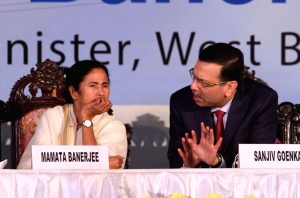
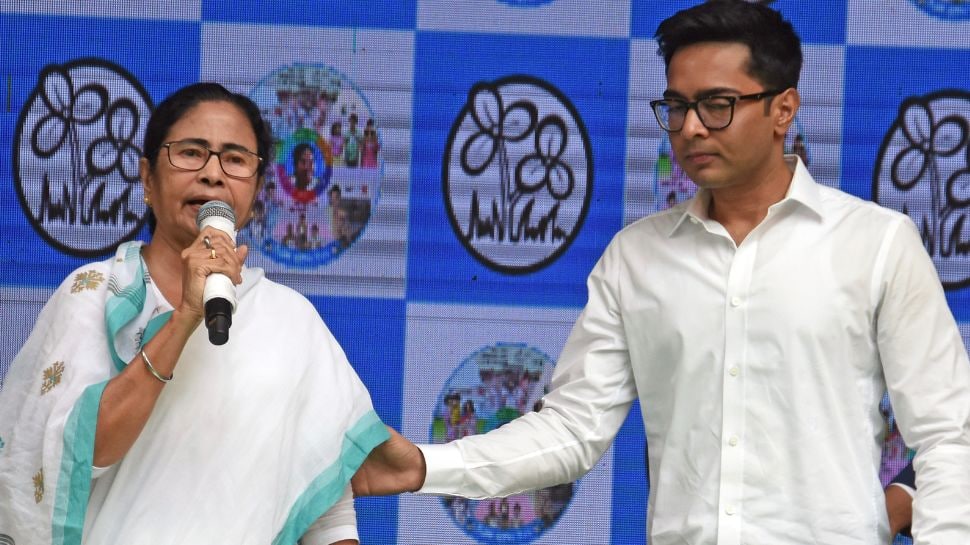
The final stamp, however, will come from Chief Minister Mamata Banerjee and the party’s National General Secretary Abhishek Banerjee. The leadership is said to be weighing not just loyalty and experience but local perception, organisational depth and the ability to counter aggressive opposition campaigns.
The broad formula appears to be a calibrated mix — seasoned ministers and MLAs retained in strongholds, selective replacement in weak or controversial seats, and the strategic introduction of young or fresh faces in politically sensitive zones.
Kolkata: Stability with Surgical Adjustments
In Kolkata, the political nerve centre of the state, sweeping changes are unlikely. Most sitting MLAs are expected to retain their tickets.
Bhabanipur remains symbolically and politically critical. There is strong indication that Mamata Banerjee herself may once again contest from the seat. In Rashbehari, Debashis Kumar is seen as secure, while Firhad Hakim is expected to retain Kolkata Port. Tollygunge is likely to remain with Aroop Biswas.
However, Ballygunge may witness a strategic reshuffle. Babul Supriyo, currently a minister, could see a change in constituency. Veteran leader Shovandeb Chattopadhyay’s name is being discussed as a possible alternative. In Behala West — once represented by Partha Chatterjee — the party is considering a fresh face to reset the narrative.
North Kolkata, barring one or two minor adjustments, is expected to see continuity rather than disruption.
North & South 24 Parganas: Mostly Status Quo, Key Exceptions
North 24 Parganas, with its 33 seats, is central to Trinamool’s electoral arithmetic. Major changes are unlikely. However, Barasat is an exception. Three-time MLA Chiranjeet Chakrabarti has reportedly expressed reluctance to contest again. The party is therefore scouting for a replacement. Heavyweights like Sujit Bose, Madan Mitra and Nirmal Ghosh are likely to remain in their respective constituencies.
In South 24 Parganas, tested candidates are expected to return in Jadavpur, Sonarpur Uttar and Baruipur. Kasba is likely to see Javed Khan once again in the fray.
But Gosaba and Sonarpur Dakshin are under active review. Internal discussions suggest that recent local developments have triggered serious deliberations about candidate replacement in these constituencies. The leadership is reportedly weighing multiple viable names before taking a call.
Bhangar, a seat the ruling party lost previously, is being treated as a prestige battleground. Expect a heavyweight or an organisationally strong face to be fielded there. The induction of select young leaders is also on the cards.
East Midnapore: Nandigram Under the Microscope
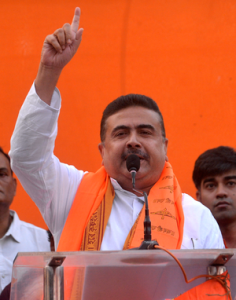
Few seats carry the symbolic charge of Nandigram. The contest here is not just electoral but psychological. The Opposition Leader Suvendu Adhikari represents the BJP from this constituency. The ruling camp is said to be carefully weighing its options.
One strong possibility under discussion is fielding a “son of the soil” candidate — someone with deep local roots and grassroots credibility — to tap into emotional and regional sentiments.
Chandipur MLA Soham Chakraborty may see a shift in constituency. Uttam Barik of Potashpur could also be repositioned. Ramnagar is likely to see Akhil Giri as the frontrunner, while in Haldia, turncoat leader Tapasi Mondal is emerging as a serious contender.
Howrah & Hooghly: Limited Tweaks, Youth Factor
In Howrah and Hooghly, most sitting MLAs are expected to be retained. That said, the party is exploring the possibility of introducing younger candidates in select constituencies to signal generational transition.
Shibpur’s ticket — linked to Manoj Tiwary — is reportedly subject to high command approval. Gautam Choudhury and Aroop Roy appear secure.
In Hooghly, speculation about a well-known singer entering the fray has been dismissed by party insiders as premature.
Murshidabad & Western Belt: Measured Changes
Murshidabad may see targeted changes, though specifics remain under wraps. In Birbhum, Bankura and Paschim Bardhaman, the party is expected to tweak a few seats but avoid dramatic overhauls. The emphasis remains on maintaining organisational cohesion while correcting local weaknesses.
North Bengal: Complex Calculations at Play
North Bengal presents a multi-layered challenge — Rajbanshi sentiment, tea garden labour politics and hill equations all intersect here. The 2024 Lok Sabha results, where Trinamool performed strongly in parts of Cooch Behar, have bolstered confidence within the ruling camp.
The recent induction of rebel BJP MLA Bishnu Prasad Sharma from Kurseong has triggered speculation about his possible candidature under the Trinamool banner. Similarly, former Congress MLA Shankar Malakar from Matigara-Naxalbari is being considered.
Candidate selection here is being treated as a delicate balancing act — caste equations, regional aspirations and anti-incumbency factors all matter.
Opposition: Still Searching for Coherence
While Trinamool appears to be entering the operational phase of election management, the Opposition is yet to project a consolidated strategy. The BJP has indicated it will contest all 294 seats independently, but organisational gaps remain evident in several districts.
The CPM-ISF understanding is still entangled in seat-sharing negotiations. The Congress, despite its historic footprint, is facing pressure in identifying strong, locally credible candidates.
The longer this uncertainty persists, the greater the psychological advantage for the ruling camp.
Old vs New: The Real Message to Voters
Ultimately, three questions will shape voter perception:
How many senior faces are dropped?
How many new entrants get meaningful representation?
Are celebrity candidates symbolic or strategically placed?
From a political analyst’s perspective, the Trinamool strategy appears clear: secure an early psychological edge, energise booth-level workers and deny the Opposition narrative space. By nearly finalising candidates before the formal poll announcement, the party aims to convert organisational readiness into electoral momentum.
However, early preparation does not guarantee victory. Anti-incumbency, local dissatisfaction and national political currents can still reshape equations.

For now, though, the momentum is unmistakably with the ruling party. The battle lines are being drawn — not just in public rallies but in carefully curated candidate lists. As Bengal inches closer to 2026, the high-voltage political drama is only just beginning.