
Bharat Newz 24*7
Just days after taking oath as the new Chief Minister of West Bengal, Suvendu Adhikari has sent out the clearest signal yet that his administration intends to run the state with an aggressive law-and-order approach. From illegal firearms and post-poll violence investigations to cattle smuggling and unauthorized toll collection, the new government has instructed the police machinery to move into what senior officials are calling a “war-footing operational mode.”
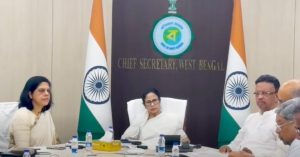
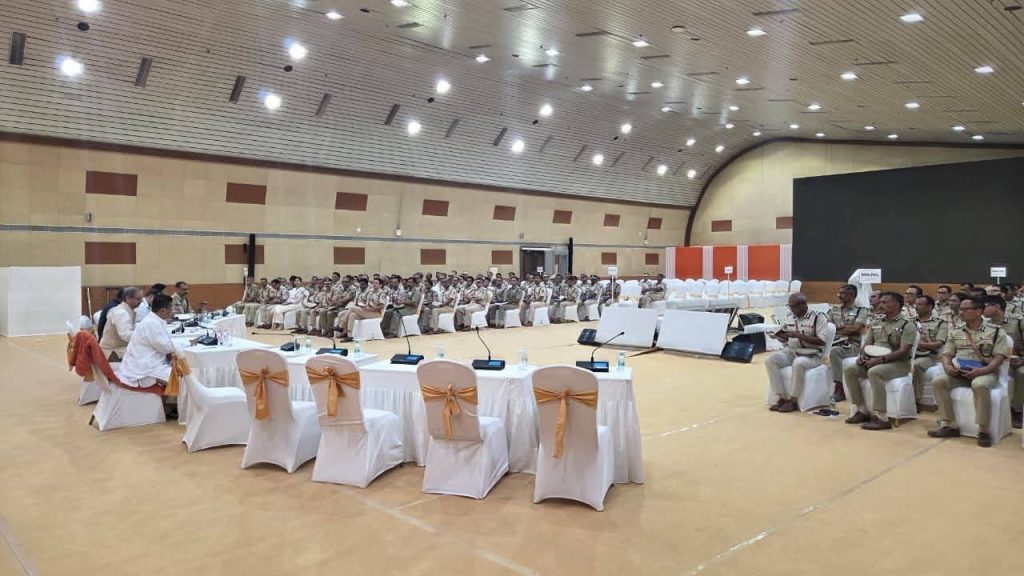
The sweeping directives came after a high-level meeting at Nabanna on Monday, where the Chief Minister held discussions with IPS officers from across the state. According to top administrative sources, Adhikari made it clear that his government wants visible action within the next 30 days.
“Every corruption case must be investigated. Illegal firearms cannot exist anywhere in Bengal,” the Chief Minister reportedly told senior police officers during the meeting.
The message from Nabanna was followed by an official communication from the state administration to police commissioners, district superintendents, and officers-in-charge across West Bengal. The order outlines a five-point enforcement strategy focused on tightening security, reopening politically sensitive investigations, and strengthening border surveillance.
Massive Drive Against Illegal Arms Begins
The first major focus area for the new administration is illegal weapons.
Police stations across Bengal have been directed to conduct a full audit of all firearms and ammunition stored in station malkhanas by May 15. Officers-in-charge and inspectors must physically verify every weapon against official records.
But the bigger operation begins immediately after that.
Starting May 16, Bengal Police will launch a two-week statewide crackdown targeting illegal firearms, explosives, and suspected criminal hideouts. Sources in the state police said district units have already been instructed to identify vulnerable zones, politically sensitive pockets, and known smuggling corridors.
Senior officials believe the government wants to establish early control over organized crime networks and politically linked armed groups that have operated in several districts over the last few years.
The move is also being viewed as a political statement from the new administration — particularly after repeated allegations by opposition parties over the circulation of crude bombs and illegal firearms during elections and local clashes.
Helmet Rule Enforcement Back With Full Force
The government has also ordered strict implementation of traffic regulations, especially helmet enforcement for two-wheeler riders.
Under the new directive, police commissioners and district SPs will personally supervise enforcement drives under the Motor Vehicles Act. Traffic officials have been instructed to submit regular operational reports to the CID and state headquarters.
Officials say the administration wants stricter visibility on roads to reinforce the perception of administrative control after the change in government.
In recent years, Bengal’s traffic enforcement often came under criticism for inconsistent implementation. The new government now appears determined to push a zero-tolerance approach, at least during the initial phase of governance.
2021 Post-Poll Violence Cases Reopened
Perhaps the most politically explosive decision is the reopening of cases linked to the 2021 West Bengal Assembly election violence.
According to the fresh police directive, all districts and police commissionerates have been instructed to re-examine complaints, FIRs, and General Diary entries related to post-poll violence after the 2021 Assembly elections.
Even cases where final reports were already submitted may now be reviewed again.
Officials have also been told to identify instances where investigations may have been diluted, delayed, or improperly handled. If evidence of criminal offences emerges during the review process, police have been instructed to register fresh cases and begin full-scale investigations.
District police chiefs and commissioners will directly supervise the exercise.
The development is politically significant because the BJP had repeatedly accused the previous administration of shielding ruling party workers in cases linked to post-poll attacks, displacement, intimidation, and murder allegations after the 2021 elections.
For years, the issue remained one of the BJP’s sharpest political weapons in Bengal. Now, with the party in power, the reopening of these files could trigger major political confrontations across several districts.
Political observers believe this move may also have long-term implications for local leadership structures, especially in districts where allegations of political violence were widespread.
Border Smuggling, Cattle Trade Under Scanner
Another major area of focus is border security and anti-smuggling operations.
Police units in border districts have been instructed to hold regular coordination meetings to identify active smuggling syndicates, exchange intelligence inputs, and track organized criminal networks operating along the India-Bangladesh border.
The state administration has specifically asked police to crack down on cattle smuggling, illegal slaughterhouses, extortion rackets, and unauthorized livestock markets.
The directive states clearly that no illegal cattle market or slaughter facility will be allowed to operate.
Officials have also been instructed to enforce provisions under the Animal Slaughter Control Act, 2014 more aggressively. At the same time, the government has told police to ensure that legally licensed traders are protected from extortion by local criminal groups.
The new administration is also targeting illegal mining activities in several districts, another issue that has generated repeated political controversy over the years.
Senior officers from the Intelligence Branch (Border) will maintain records of all coordination meetings and enforcement actions taken in border regions.
Crackdown on Illegal Toll Collection
In another significant administrative move, newly appointed Chief Secretary Manoj Kumar Agarwal has directed district administrations to immediately identify and shut down all unauthorized toll gates, barricades, and collection points operating without government approval.
District officials have been asked to launch inspections and remove illegal collection systems that allegedly operate under political or local influence in several parts of the state.
The issue of informal toll collection and forced “cut money” has remained politically sensitive in Bengal for years, especially in transport corridors and rural trade routes.
The government’s latest move signals an attempt to portray itself as taking direct aim at entrenched local networks accused of illegal collection and intimidation.
Early Signs of a Hardline Administrative Model
Within days of assuming office, the Suvendu Adhikari government appears determined to project an image of aggressive governance centered on policing, enforcement, and administrative control.
From reopening politically sensitive files to launching anti-arms operations, the administration is sending a message both to the bureaucracy and political opponents that the new regime intends to function differently from its predecessor.
Whether these directives translate into sustained institutional action or remain politically symbolic will become clearer over the coming weeks. But for now, one thing is certain — Bengal’s administrative and political landscape has entered a sharply confrontational new phase under Chief Minister Suvendu Adhikari.